
Atlas for low-carbon & climate-resilient healthcare solutions
A comprehensive, evidence-based catalogue of climate solutions for healthcare systems worldwide. Empowering frontline professionals and leaders with actionable strategies for decarbonization and resilience.
How it works
Three steps to evidence-based climate action
Browse solutions
Filter by specialty, impact level, or solution type to find what fits your context.
Review the details
Open a solution to explore impact data, costs, implementation guidance, case studies, and toolkits.
Learn and contribute
Watch Stories, leave comments or questions, and share your own experience with the community.
About the Solutions Atlas
The Solutions Atlas is a curated, evidence-based repository of climate solutions for healthcare. Born from a doctoral research project at Carleton University, in collaboration with the Low-Hanging PEACH Tree research at McMaster University and with support from the Canadian Coalition for Green Health Care, it organizes proven strategies— from building retrofits to clinical practice changes— so that frontline professionals and health-system leaders can act on the best available evidence.
Learn more about the projectOur Partners
Spotlight Solutions
8 solutions with video stories

Recycling cautery cords
Separate collection of cautery cords for recycling can recover valuable metal contents such as copper. This creates both emissions and financial savings for the hospital. Revenue from selling the scrap metal can be re-invested in other green initiatives.

Bring your own bags and water bottles
Implement a substitution and behavior-change practice requiring individuals to use reusable personal bags and refillable water bottles in place of single-use disposable packaging and containers. One study showed that following implementation, the two hospitals (University Hospital and Victoria Hospital, Ontario) recorded a 45.7% reduction in patient belongings bags, equivalent to roughly 252 kg of material waste, 2.1 t CO₂e, and CAD 1,260 in annual savings.

Eliminating laughing gas leaks
Transitioning to point-of-care nitrous oxide cylinders reduces leakages, minimizes safety risks, and saves cost associated with lost product and system maintenance.
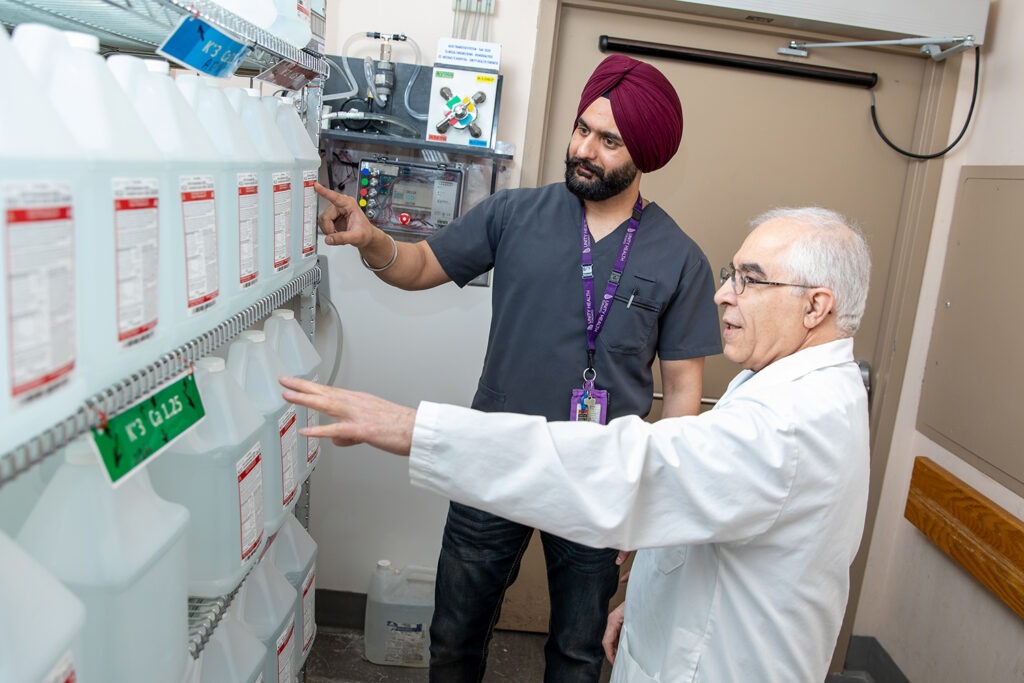
Central delivery of acid concentrate for haemodialysis
Implementing a centralized acid concentrate delivery system with large barrels and recirculation lines allows unused acid to return to storage tanks and be redistributed across all dialysis stations.

Switching from IV to oral paracetamol
Utilizing oral paracetamol is safe and cost-saving. Reserve intravenous paracetamol for patients designated NPO or those that cannot tolerate oral intake. There is no difference in the safety or analgesic effect between oral and intravenous paracetamol.
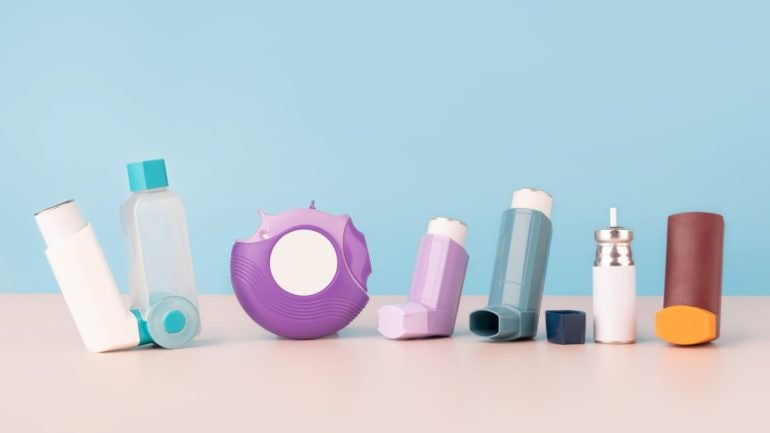
Switching from metered-dose inhalers to dry powder inhalers
Dry-powder inhalers (DPIs) and soft-mist inhalers have much lower carbon footprints and are clinically effective alternatives for many patients. Ensuring proper use, shared decision-making, and safe disposal further reduces emissions. An estimated 10% MDI users can transition to DPIs.
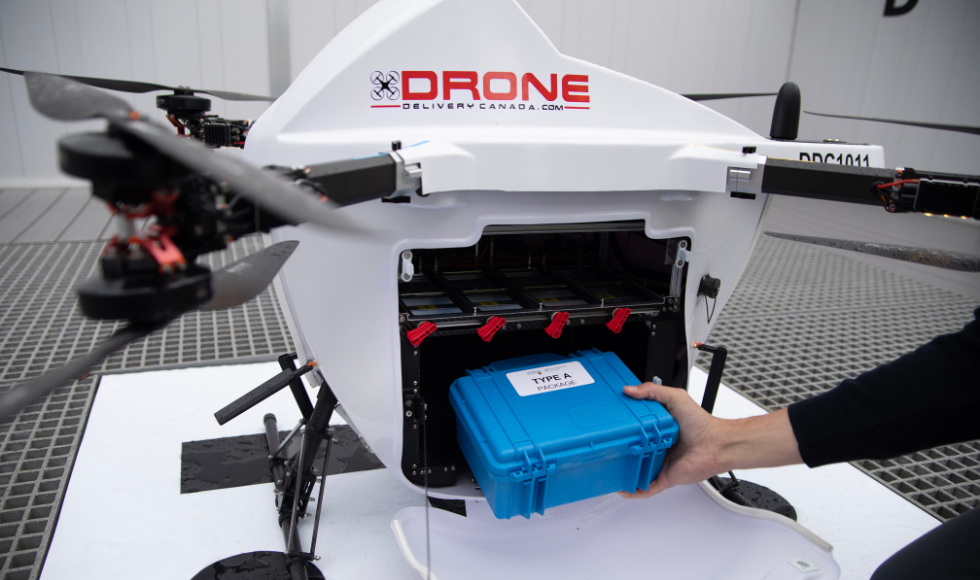
Using drones to deliver medication
Drone deliveries have been safely piloted in the England for chemotherapy. The World Economic Forum's Medicine in the Sky project has successfully delivered vaccines, medications, and diagnostic samples to rural communities in India. Continuing to explore these projects in Canada could offer timely and sustainable means for patient care.
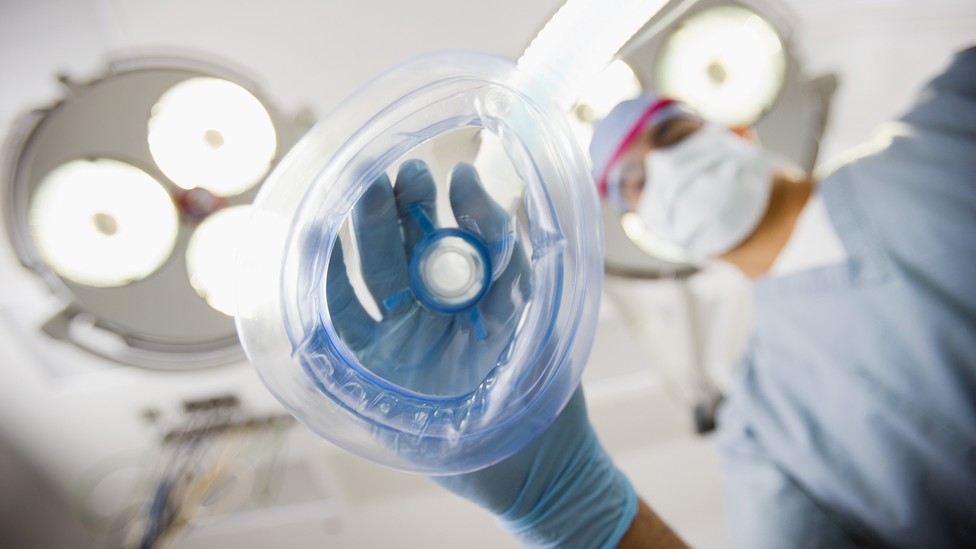
Phasing-out Desflurane
Remove desflurane from operating rooms. Safe, effective, and less-costly alternatives exist including sevoflurane or total intravenous anesthesia (TIVA).
Coming soon
We are building interactive decision tools and stakeholder surveys to help you prioritize solutions for your context. Stay tuned on the Development page.
Ready to explore climate solutions for healthcare?
Discover evidence-based strategies to reduce emissions, build resilience, and improve care.